Baltimore, Maryland — A nearly 40-year-old murder case has taken a major turn after DNA evidence allegedly linked a Maryland man to the 1986 killing of a 23-year-old dancer whose body was discovered in Druid Hill Park.
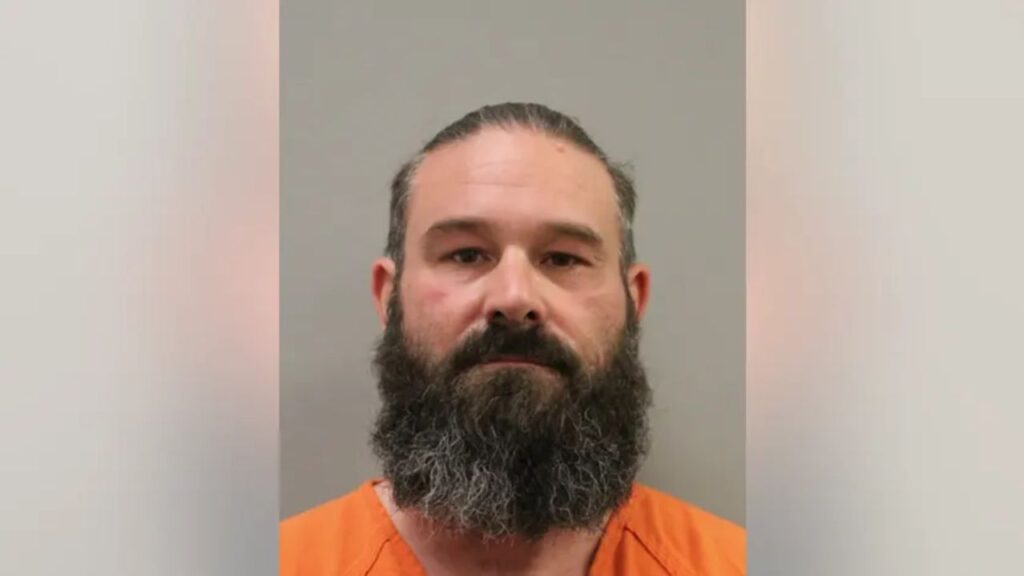
David Alexander Williams, 67, has been charged with first-degree murder in connection with the death of Teresa Ann Houck. Investigators say a DNA match ultimately provided the critical lead that connected Williams to evidence recovered during the original investigation.
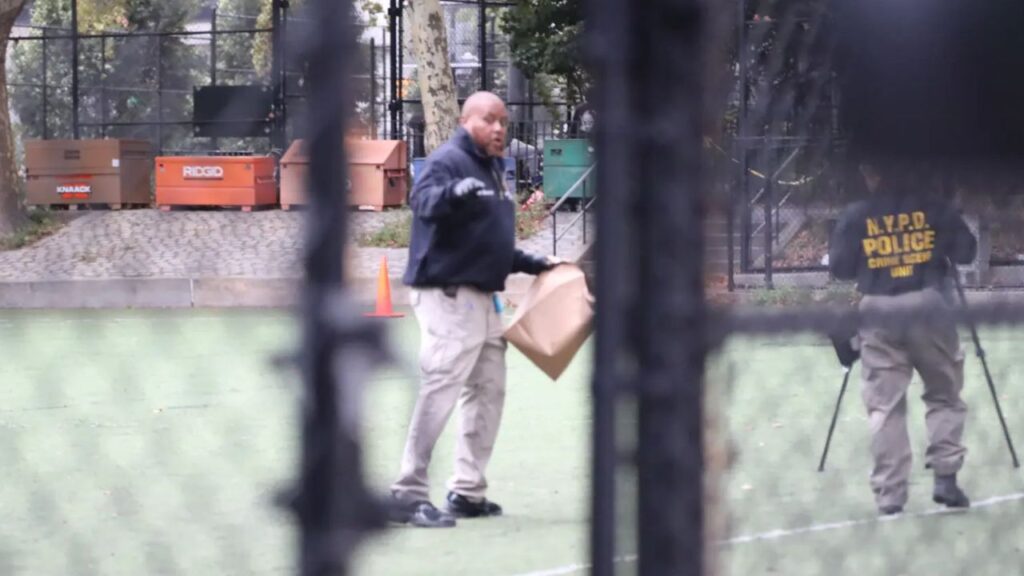
Houck was last seen leaving the Pussycat Club in Baltimore City at approximately 2 a.m. on Oct. 22, 1986. Her body was discovered later that morning in a grassy area of Druid Hill Park.
Dancer Was Found Fatally Shot in Park
According to prosecutors, Houck was found nude from the waist down and suffering from three gunshot wounds to her head, neck and chest.
Investigators also found a pair of jeans balled up on the ground approximately 10 feet from her body.
Her vehicle was discovered in a parking lot near the intersection of Baltimore Street and Holiday Street, a short distance from where she worked.
The Office of the State’s Attorney for Baltimore City said the location of the vehicle suggested Houck may have been transported to Druid Hill Park by another means.
“Ms. Houck’s automobile was found in a parking lot near the intersection of Baltimore Street and Holiday Street, a short distance from her place of employment, indicating she was likely transported from the area to Druid Hill Park by other means,”
Investigators preserved forensic evidence from Houck’s sexual assault kit, which would eventually become central to the decades-old investigation.
DNA Evidence Kept the Case Alive
The investigation took a significant step forward in 2005, when a male DNA profile was submitted to CODIS, the national DNA database used to help identify individuals connected to crimes.
For years, the profile remained unidentified.
Then, in September 2025, a routine search of Maryland’s DNA Database reportedly produced a high-stringency match involving Williams.
According to prosecutors, the search connected Williams to the full male DNA profile identified on vaginal swabs recovered from Houck. That development gave investigators a potential suspect nearly four decades after the killing.
In May, authorities obtained a warrant to collect Williams’ DNA directly. Investigators later determined that the sample matched DNA evidence recovered from Houck’s body, according to prosecutors.
State’s Attorney Says Justice Effort Never Stopped
Baltimore City State’s Attorney Ivan Bates described the case as an example of how forensic evidence preserved for decades can eventually provide a breakthrough.
“Nearly 40 years may have passed, but our commitment to seeking justice for Ms. Houck and her loved ones has never wavered,” Baltimore City State’s Attorney Ivan Bates said, per the statement.
Bates said the original investigation involved evidence of an apparent sexual assault, which ultimately became an important source of evidence for identifying a suspect.
“What began as an unspeakable act of violence, with evidence of an apparent sexual assault, ultimately provided the critical lead that allowed investigators to identify a suspect and bring this case before the courts.”
The case now moves forward in Baltimore as prosecutors pursue the murder charge against Williams.
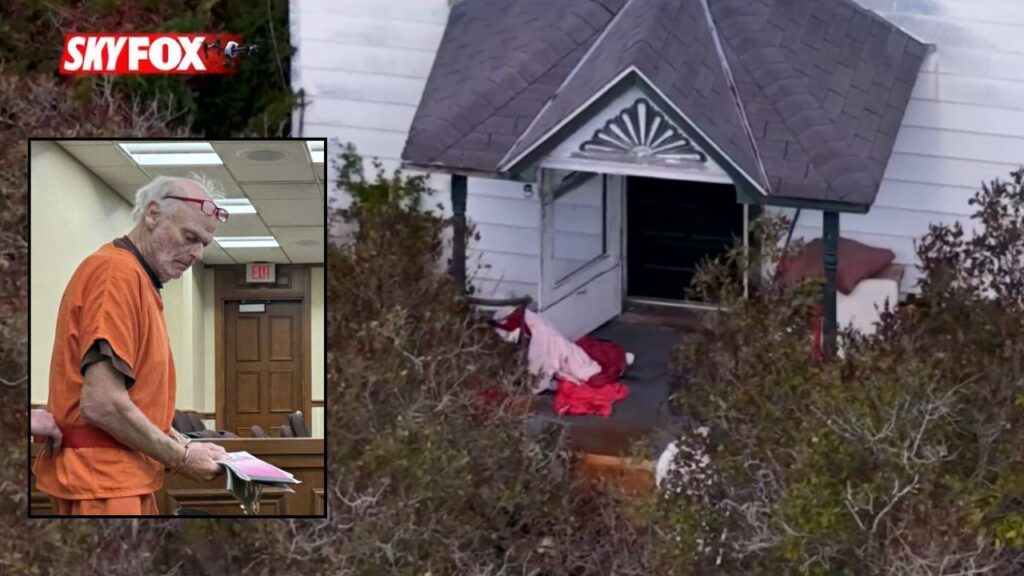
Police Say Elderly Woman Spent Up to 2 Weeks on Porch Before Her Death—Boyfriend Now Charged
Williams Is Already Serving a Life Sentence
The latest murder charge is not Williams’ first serious homicide case.
According to The Baltimore Banner, Williams was convicted of first-degree murder earlier this year in connection with the June 2025 fatal shooting of his wife, Lillian Williams, at their home in Abingdon.
He received a life sentence for that killing and remains incarcerated.
The circumstances surrounding that conviction now add another layer to the decades-old investigation into Houck’s death, although the 1986 murder charge will proceed as its own criminal case.
Cold Case Investigation Finally Reaches Court
For Houck’s family and investigators, the latest development represents a dramatic change in a case that had remained unresolved for decades.
When Houck was found in Druid Hill Park in 1986, investigators had forensic evidence but no identified suspect. The eventual DNA identification demonstrates how evidence from older cases can remain relevant as testing and database technology advance.
Williams now faces the first-degree murder charge in Houck’s death, nearly 40 years after she was killed.
What do you think about this decades-old cold case finally moving forward after a DNA match? Share your thoughts in the comments.