Fairfield Township, New Jersey — A 59-year-old New Jersey man has pleaded guilty to concealing the body of his Marine veteran cousin for months while continuing to collect the deceased man’s benefits, according to court records and media reports.
Steven M. Blankenship admitted hiding the body of his cousin, Michael S. Blankenship, 72, inside a closet in the older man’s mobile home. Prosecutors say the concealment allowed him to continue receiving money intended for the veteran after his death.
The case came to light in April 2025, when New Jersey State Police responded to a wellness check at Michael’s home in Evergreen Estates in Fairfield Township. Investigators subsequently discovered his remains inside a bedroom closet.
New Jersey Man Admits Hiding His Cousin’s Death
According to reports published by NJ.com, Steven acted as caretaker for his older cousin before the incident came to light.
During a court hearing on October 9, Steven admitted that he concealed Michael’s death so the veteran’s benefits and checks would continue arriving. Authorities allege that he used the money for his own purposes.
The case involves allegations of theft and the improper collection of benefits following the veteran’s death.
Investigators believe Michael died months before officers discovered his body. A note found inside the mobile home reportedly stated that he had died on July 27, 2024, from dementia-related causes.
The note also indicated that its author had been using Michael’s credit card and income to make purchases because of his own declining health, according to police records cited in reports.
Police Discover Body Inside Sealed Closet
The investigation began when state police officers arrived at Michael’s mobile home in April 2025 to conduct a welfare check.
According to court documents, officers noticed an odor consistent with decomposition while knocking on the door. After entering the residence, they followed the smell to a bedroom closet.
Troopers discovered Michael’s body wrapped in three layers of plastic inside the closet. Records indicated that the closet door had been sealed with duct tape and had no knob.
The discovery prompted an investigation into the circumstances surrounding Michael’s death, the concealment of his remains and the continued use of his financial resources.
Authorities also examined a note found inside the trailer that reportedly described the circumstances of his death and the use of his income.
Theft and Desecration Charges Filed
A grand jury indicted Steven in July 2025 on charges involving theft and desecration of human remains.
According to reports, Steven initially rejected a plea agreement that would have resulted in a 12-year prison sentence. He later pleaded guilty under an agreement calling for a 10-year sentence.
He is also required to pay $15,000 in restitution to the New Jersey Department of Labor.
Chicago Police Warn Diners After Thieves Pose as Charity Workers to Steal Phones and Wallets
Steven is scheduled to return to court on December 11 for sentencing. The final sentence will be determined through the court proceedings.
The guilty plea marks a significant development in a case that remained undiscovered for months after the veteran’s reported death.
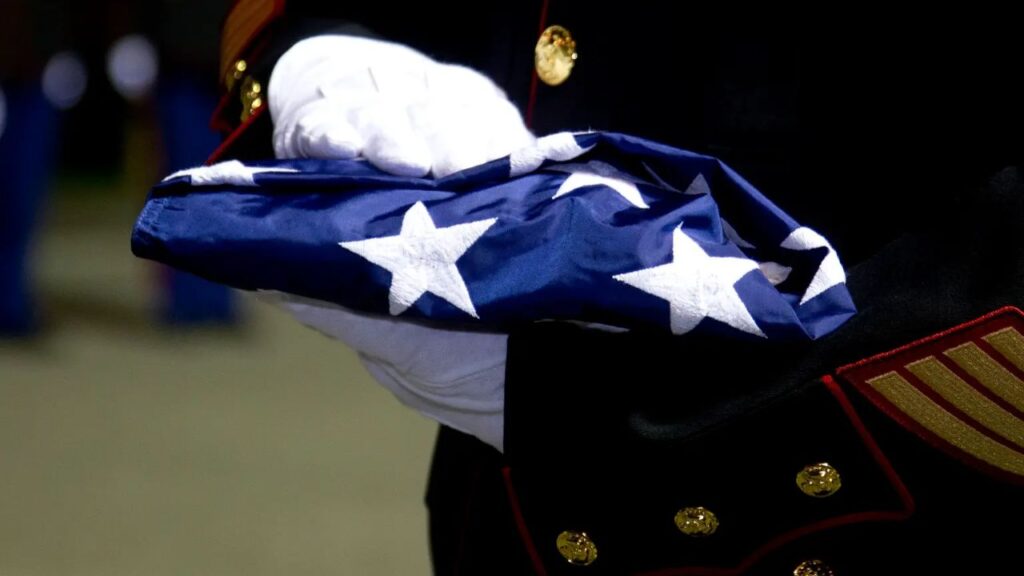
Marine Veteran Finally Buried With Military Honors
Michael had been discharged from military service in 1970. After his remains were discovered in 2025, he was eventually buried with full military honors that year.
His burial brought a formal conclusion to the recovery of his remains, while the criminal case against his cousin continued through the courts.
The case also raised questions about how the veteran’s death went unreported for such an extended period and how his benefits and financial resources continued to be accessed.
Authorities uncovered the situation only after the wellness check brought officers to the mobile home, where the odor led them to the sealed closet.
What Happens Next in the Case?
Steven’s sentencing is scheduled for December 11, when the court is expected to address the agreed-upon prison term and restitution requirements.
The case centers on his admission that he concealed his cousin’s death and continued collecting benefits afterward. The reported 10-year sentence remains subject to the court’s sentencing proceedings.
The investigation and subsequent prosecution have highlighted the importance of reporting deaths promptly and ensuring that government benefits are not improperly collected after a recipient dies.
What are your thoughts on this case involving a Marine veteran and the concealment of his death? Share your views in the comments below.