Port St. Lucie, Florida — Police and animal control officers removed 124 living and deceased cats from a home in Port St. Lucie after discovering unsanitary conditions, including accumulated feces and dead kittens, according to authorities.
The discovery has prompted an active criminal investigation into suspected animal neglect and hoarding. Two of the three residents have received citations for hoarding and failing to provide medical attention to animals, officials said.
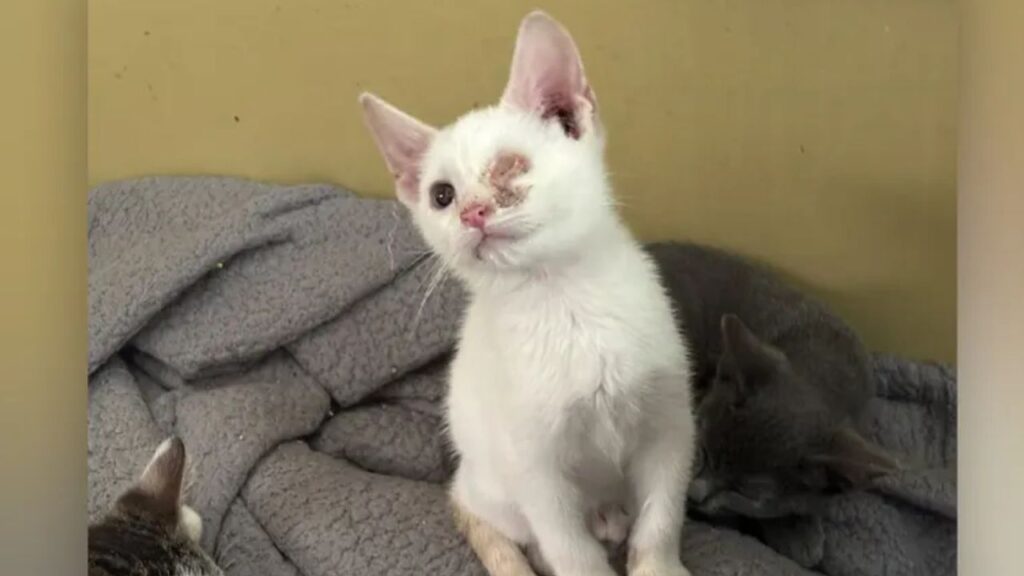
The surviving cats have been surrendered by the residents and are receiving care from animal control personnel, veterinary providers and animal welfare organizations.
How Police Discovered 124 Cats Inside the Florida Home
Port St. Lucie Animal Control personnel responded to a residence in the 2500 block of SW Warwick Street on October 13, 2026, after receiving concerns about the living conditions inside the property.
During the response, officers documented unsanitary conditions throughout the residence. Authorities reported finding accumulated feces and dead kittens inside the home.
As the investigation developed, officials accounted for 124 cats in total, including both living and deceased animals. Authorities have not yet disclosed how many of the cats were found dead.
The discovery led to a coordinated response involving Port St. Lucie police officers, animal control personnel and animal welfare organizations.
Officials are continuing to investigate the circumstances surrounding the animals’ living conditions and the residents’ responsibility for their care.
Two Residents Receive Animal Hoarding Citations
Authorities said two of the home’s three residents have been issued citations for hoarding and failing to provide medical attention to animals.
The identities of the residents have not been released in the information provided by officials. Investigators also have not confirmed whether additional criminal charges will be filed.
The case remains under investigation as authorities work to establish the full circumstances behind the number of cats found at the property and the conditions in which they were living.
The citations represent action taken during the investigation, but officials have not announced a final outcome in the case.
Surviving Cats Receive Veterinary Treatment
Following the removal, the surviving cats were surrendered by the residents, allowing animal care teams to concentrate on their medical needs.
The animals are being cared for at the Port St. Lucie Animal Control facility and the Humane Society of St. Lucie County.
According to the information released by authorities, several cats are receiving treatment for fleas and ear mites, while others have needed surgery or more specialized veterinary care.
The medical needs of the animals vary, and some may require additional treatment before they can be considered ready for adoption.
The response has required coordination among animal control officers, police personnel, veterinary providers and animal welfare organizations to transport the cats, assess their conditions and arrange appropriate care.
Officials have not released a complete medical assessment of the surviving animals.
Could the Rescued Cats Become Available for Adoption?
Some of the surviving cats are reportedly friendly and could become available for adoption once their medical needs have been addressed.
However, their readiness for adoption will depend on their individual health conditions and the assessments made by the teams caring for them.
Animal welfare organizations often need time to provide veterinary treatment, monitor recovery and determine whether animals are ready to move into permanent homes.
Anyone interested in adopting a cat from this case should look for updates from the Humane Society of St. Lucie County or Port St. Lucie Animal Control regarding availability and adoption procedures.
Deputy Accused of Hitting Crying 4-Year-Old at Bedtime as Other Children Heard the Alleged Slap
Not all surviving animals may be ready for adoption at the same time, particularly those requiring surgery or specialized treatment.
What Remains Unknown About the Investigation?
Several important questions remain unanswered as the investigation continues.
Authorities have not confirmed the identities of the three residents, whether additional criminal charges will follow or exactly how many of the 124 cats were found deceased inside the property.
Officials also have not provided a complete breakdown of the surviving cats’ medical conditions or a timeline for when eligible animals could be placed for adoption.
The investigation is ongoing, and further information may clarify the circumstances that led to the removal of the animals and whether additional legal action will be taken.
For now, animal care teams are focused on treating the surviving cats and determining what each animal needs before moving forward.
What do you think should be done to prevent animal hoarding cases like this? Share your thoughts in the comments, and let others know about the rescue efforts to help bring attention to animal welfare.