Portland, Oregon — An Oregon nail salon is facing a $2.5 million lawsuit after a 31-year-old woman alleged that she contracted a herpes infection following an acrylic nail treatment. The case marks the second lawsuit involving similar allegations against the same Portland location since 2024.
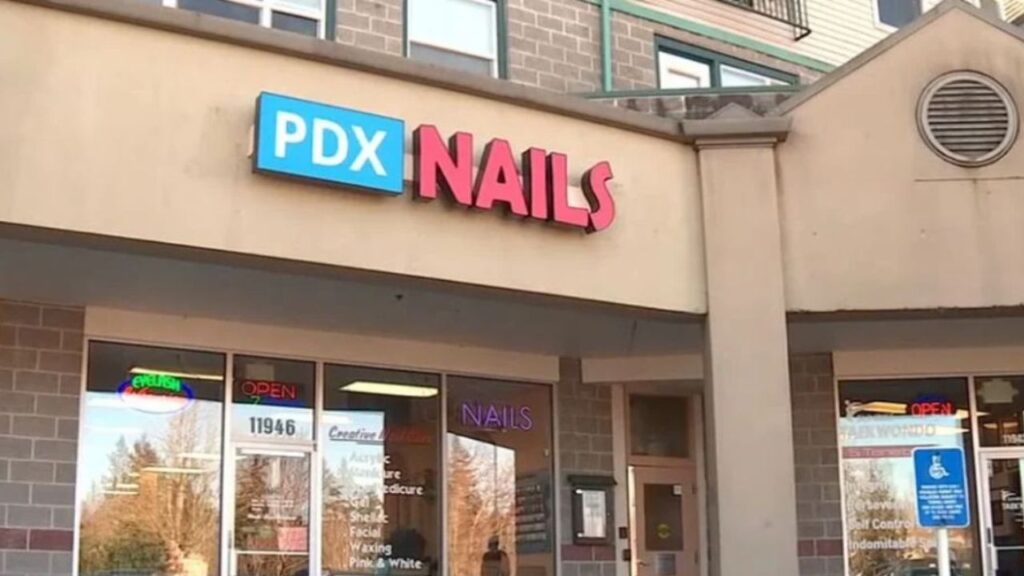
The lawsuit targets PDX Nails, located at 11946 NE Glisan St. in Portland. According to the complaint, the woman developed a painful blister and unusual sensations in her right hand and pinky finger after receiving a manicure in August 2025.
The allegations have renewed attention on nail salon hygiene, the handling of manicure tools and the precautions technicians take during treatments. The claims remain allegations, and the filing of a lawsuit does not establish that the salon caused the reported infection.
Woman Reports Burning Sensation and Blisters After Manicure
According to a complaint filed in Multnomah County Circuit Court, the woman began experiencing an “unusual burning and stinging sensation along the lateral side of her right hand and pinky finger” the day after her manicure.
She also reportedly developed itching before a fluid-filled blister began to form.
The woman sought medical treatment at her primary care clinic on August 12, 2025, according to the complaint. The filing alleges that the nail technician who performed the acrylic treatment did not wear gloves.
Clinic workers reportedly linked the blister to the genital herpes virus, according to the lawsuit.
The woman is seeking $2.5 million in damages. Her attorney, Amity Girt, is also connected to an earlier lawsuit involving the same salon and similar allegations.
The precise circumstances of the alleged transmission have not been independently established in court.
Second Herpes Lawsuit Involving the Same Portland Salon
The latest complaint follows a separate case filed in 2024 involving a 23-year-old woman who alleged that she contracted herpes after receiving a manicure at PDX Nails in 2023.
That lawsuit sought $1.75 million in damages and was settled in May 2025, according to reports about the case.
The earlier complaint alleged that the customer experienced swelling around two fingers after the manicure, followed by the development of blisters. The lawsuit stated that testing later returned a positive result for genital herpes.
It also alleged that the technician did not wear gloves and stored drill bits in an Altoids tin.
According to the complaint, the woman had not had herpes before visiting the salon. The lawsuit described the infection as painful and said the diagnosis caused significant emotional distress.
The settlement resolved that case, but a settlement does not necessarily establish liability or mean that every allegation was admitted by the salon.
Lawsuits Raise Questions About Salon Hygiene
Salon owners Tam and Hai Nguyen have been accused of negligence in the lawsuits. The complaints allege failures to properly train technicians and follow appropriate safety and sanitation procedures.
The salon has also reportedly faced previous state scrutiny over disinfecting tools and was fined for sanitation-related violations.
These allegations have placed the salon’s handling of equipment and hygiene practices at the centre of the legal disputes.
During manicures, tools may come into contact with skin around the nails and cuticles. If equipment is contaminated and the skin is broken, infections may become a concern. Proper cleaning, disinfection and appropriate protective practices are important parts of salon safety.
However, the fact that an infection appears after a manicure does not, by itself, prove that the treatment caused it. Establishing the source of an infection can require medical evidence and a detailed investigation.
Previous Customer Describes Lasting Emotional Impact
The earlier lawsuit also described the reported long-term effects of the infection on the 23-year-old woman.
The complaint stated that she had been told herpes could recur and that there was no cure. It also alleged that outbreaks continued, sometimes requiring bandages to help prevent transmission.
The woman told The Oregonian that she had been getting manicures since she was around 8 or 9 years old. She described feeling embarrassed when people asked about the bandages on her fingers.
“People have asked, ‘What happened to your finger?” she said. “I don’t want to tell them what it really is because it’s really embarrassing.”
$530,000 Medicaid Fraud Allegation Rocks Staten Island as Two Adult Daycare Operators Are Arrested
Her account highlighted the emotional and social difficulties she said followed the diagnosis, in addition to the physical symptoms described in the lawsuit.
Can Herpes Really Spread During a Manicure?
Herpes is caused by herpes simplex viruses, which can spread through direct contact with infected skin or mucous membranes. Transmission depends on the type of virus, the nature of the contact and other circumstances.
Although transmission during a manicure is considered unusual, contaminated equipment or contact involving broken skin may raise infection-control concerns. The specific route of transmission in these lawsuits has not been conclusively established in the information publicly described.
The Oregonian has also reported on a Colorado case in which a woman received a $3.1 million award after alleging that she contracted herpes during a manicure.
That case provides another example of the legal consequences that can arise from allegations involving salon treatments and infections, although each case depends on its own evidence and circumstances.
What Happens Next in the Oregon Case?
The new lawsuit seeks $2.5 million over the woman’s alleged infection and its consequences. The claims against PDX Nails and its owners will depend on the legal process and the evidence presented.
The case also serves as a reminder for customers to pay attention to hygiene practices when choosing a nail salon. Clients can ask how reusable tools are cleaned and disinfected, check whether technicians follow appropriate protective procedures and avoid treatments that cause cuts or damage to the surrounding skin.
Do you think nail salons should face stricter hygiene checks to protect customers? Share your thoughts in the comments below.