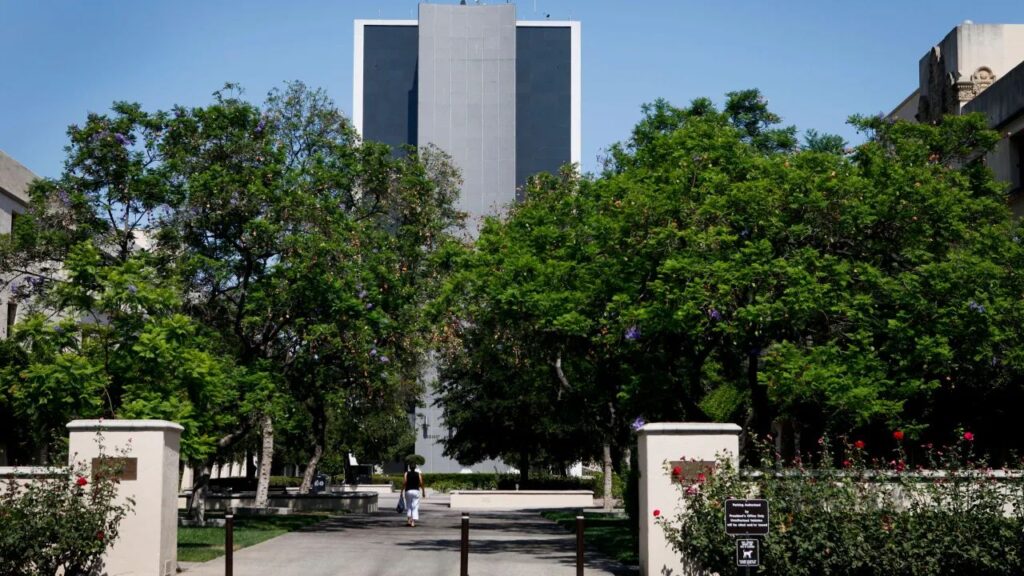
Pasadena, California — The California Institute of Technology, Stanford University and the University of California, Davis, have been named among nine universities facing federal scrutiny over alleged visa fraud, as the current administration intensifies its examination of programs used to bring international researchers and workers to the United States.
Vice President JD Vance identified the universities during a news conference Thursday, saying federal officials should investigate their use of J-1 visas. The allegations center on concerns that some institutions may be using visa programs in ways that disadvantage American graduate students and researchers.
The universities have been named in connection with the investigation, but the allegations do not establish that any institution has committed fraud.
JD Vance Names 9 Universities in Federal Probe
During Thursday’s news conference, Vance identified nine universities that he said warranted investigation over their use of J-1 visas. The list includes Caltech, Stanford University and UC Davis, along with Harvard University, Yale University, Brown University, the Massachusetts Institute of Technology, Arizona State University and the University of Pittsburgh.
Vance criticized the alleged use of J-1 and H-1B visa programs, arguing that the practices could affect opportunities and wages for American researchers.
“Something weird is going on at these universities,” Vance said. “They’re using these visas way too much. They’re using them to undercut the wages of American grad students and American researchers. And it simply has to stop.”
He also described fraudulent use of the programs as a “fundamental insult to the American worker.”
The comments signal continued scrutiny of the visa pathways that universities and research institutions use to recruit international scholars, postdoctoral researchers and other specialized workers.
White House Says Investigations Are Underway
Anthony D’Esposito, the White House deputy chief of staff, said federal investigations into the alleged misconduct were already underway.
According to D’Esposito, subpoenas had been served as part of the process. He also indicated that prominent institutions would not receive special treatment if investigators found evidence of wrongdoing.
“Nobody will be getting a free pass because their name is carved into an expensive building,” D’Esposito said.
He further alleged that China was using researchers to gain access to research conducted in the United States.
“If an American university is breaking the law to save a dollar while exposing American research to a foreign adversary, that is not academic excellence,” he said. “It’s institutional betrayal.”
These statements reflect the administration’s concerns about research security, foreign access to sensitive work and the employment effects of international visa programs. Whether those concerns are supported by evidence of violations at individual universities remains a matter for investigators to establish.
Officials Cite Foreign Researcher Numbers
Federal officials also pointed to the proportion of international researchers and federally funded workers employed at the nine universities.
Vance and other officials said 61% of postdoctoral researchers and federally funded workers at the institutions are foreign nationals, compared with a national average of 38%.
The figures were presented as part of the administration’s argument for examining how universities use international visa programs.
However, the presence of foreign nationals at a university does not, by itself, demonstrate visa fraud or a violation of immigration law. Determining whether a school has broken the rules would require evidence about its specific hiring practices, visa applications and compliance with applicable requirements.
International researchers play roles in many areas of university research, including science, engineering and medicine. The investigation raises questions about how federal authorities will distinguish lawful recruitment from any practices that violate visa regulations.
What the Investigation Could Mean for California Universities
For Caltech, Stanford and UC Davis, the immediate significance is that their visa practices have been placed under federal scrutiny.
The J-1 program is commonly used for exchange visitors, including researchers and scholars, while the H-1B program allows qualifying employers to hire workers in specialty occupations. The programs have different eligibility requirements and rules, making the details of any alleged violations important.
The investigation could bring additional scrutiny to university hiring procedures, research appointments and compliance systems. Its broader effects will depend on the evidence gathered and any findings or enforcement actions that follow.
Being named for investigation is not the same as being found guilty of fraud. The allegations will need to be assessed through the relevant investigative and legal processes.
What do you think about the federal investigation into university visa programs? Should officials focus more on protecting American research jobs, research security, or ensuring that international scholars can continue contributing to U.S. universities? Share your thoughts in the comments.