Florida, FL — Health officials are warning residents about the potentially deadly Vibrio vulnificus bacteria as infections and deaths continue to be reported across parts of the United States.
Florida has recorded 21 cases and four deaths in 2026, according to the Florida Department of Health’s latest available data, updated Sept. 10. Louisiana has also reported six deaths linked to V. vulnificus this year, according to recent reports.
The bacteria is sometimes described as “flesh-eating” bacteria because severe infections can cause necrotizing fasciitis, a condition in which tissue around an infected wound dies. The CDC notes, however, that V. vulnificus is only one possible cause of necrotizing fasciitis.
How people can become infected
Vibrio vulnificus naturally occurs in warm coastal waters, including saltwater and brackish water. Brackish water is a mixture of saltwater and freshwater and can be found in areas where rivers meet the ocean.
People with cuts, scrapes or other open wounds can become infected when those wounds come into contact with contaminated coastal water. The bacteria can also enter through wounds exposed to raw seafood or its juices.
Another major route of infection is eating raw or undercooked shellfish, particularly oysters.
The CDC says most people who develop vibriosis do so after consuming raw or undercooked shellfish. Properly cooking shellfish can kill harmful Vibrio bacteria.
Severe infections can progress rapidly
While Vibrio infections can cause gastrointestinal illness, V. vulnificus can produce much more serious infections.
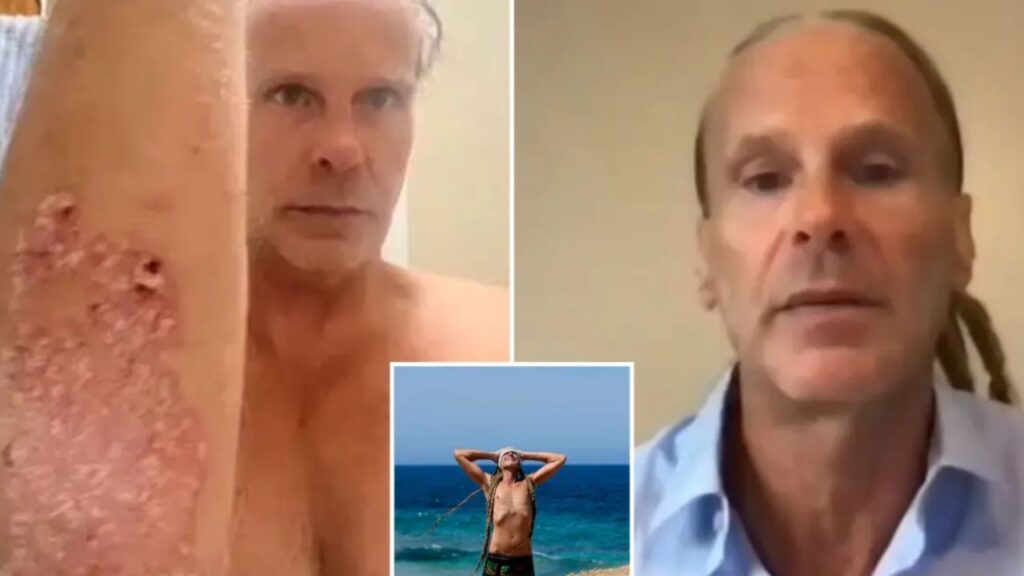
Symptoms can include fever, chills, low blood pressure and blistering skin lesions in people who develop bloodstream infections. Wound infections may cause redness, pain, swelling, warmth, discoloration and discharge.
The CDC says some patients with serious V. vulnificus infections require intensive care or limb amputation. About one in five people with a V. vulnificus infection die, sometimes within a day or two of becoming ill.
People with certain underlying conditions face a higher risk of severe illness, particularly those with liver disease or weakened immune systems. Diabetes, cancer and some immune-suppressing treatments can also increase the risk of complications.
Health officials urge residents to take precautions
Health officials recommend avoiding raw or undercooked oysters and other shellfish. Seafood should be cooked thoroughly, and raw shellfish should be kept separate from other foods to reduce the chance of cross-contamination.
People with open wounds should also avoid exposing those wounds to saltwater, brackish water or raw seafood. The CDC recommends covering wounds with a waterproof bandage if exposure is possible and washing cuts thoroughly with soap and clean running water after contact.
Storms and flooding can create additional exposure opportunities because coastal water can move into areas where people may come into contact with contaminated floodwater. The CDC has specifically warned about wound exposure following coastal flooding, hurricanes and storm surges.
Thieves Target California Church for $50K Jesus Statue — Police Reveal What They Left Behind
Early medical attention can be critical
Because serious V. vulnificus infections can worsen quickly, the CDC advises seeking medical attention immediately when symptoms of a serious wound or bloodstream infection develop after a possible exposure.
Doctors can diagnose the infection by identifying Vibrio in blood, wound or stool samples. For suspected wound infections, the CDC recommends beginning treatment promptly rather than waiting for laboratory confirmation or consultation with an infectious disease specialist.
The latest numbers do not mean that most people exposed to coastal water or seafood will develop a life-threatening infection. But health officials continue to stress that simple precautions can reduce exposure, particularly for people who are at higher risk of severe illness.
As coastal waters remain warm, residents are being urged to take extra care around raw shellfish, open wounds and potentially contaminated coastal or floodwater.
Have you ever changed your seafood or swimming habits because of warnings about Vibrio bacteria? Share your thoughts in the comments.