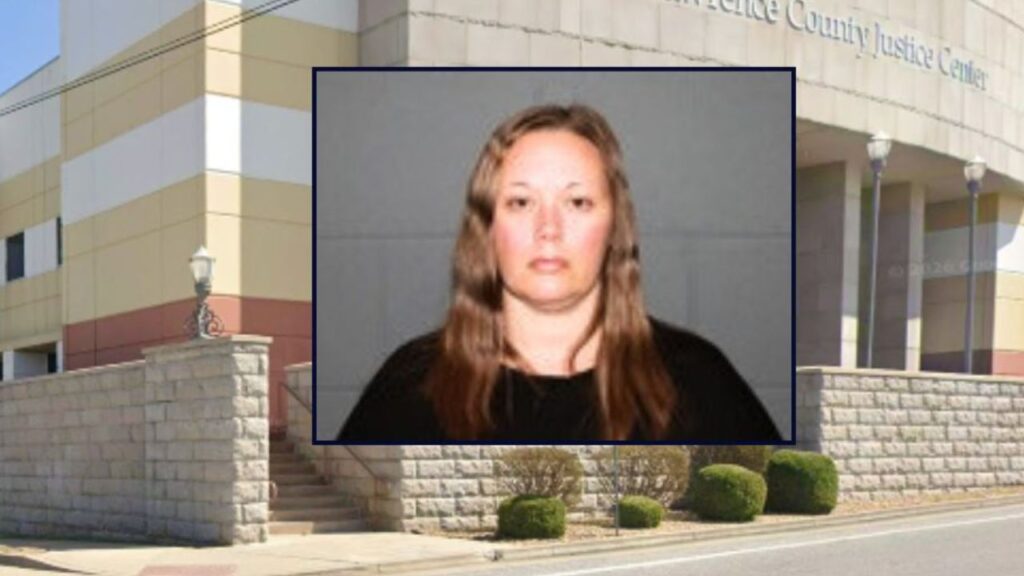
Clearwater, Florida — A 25-year-old Florida man has been sentenced to 30 years in prison for fatally shooting his ex-girlfriend’s new partner during a confrontation at a Clearwater apartment in July 2022.
Stuart Beck was convicted by a Pinellas County jury in July of second-degree murder in the death of 20-year-old Michael Conrad. Sixth Judicial Circuit Judge Philippe Matthey handed down the sentence this week, bringing a major development in a case that centered on a disputed account of the fatal encounter.
The shooting happened during the early morning hours of July 6, 2022, at Bay Cove Apartments on U.S. Highway 19 North in Clearwater, about 20 miles west of Tampa.
What Happened at the Clearwater Apartment?
According to the case presented in court, Beck arrived at the apartment where his ex-girlfriend was staying and ultimately became involved in a confrontation with Conrad.
Prosecutors argued that Beck kicked down the apartment door, entered the residence with a gun and shot Conrad. The defense offered a different account of the final confrontation, arguing that Beck feared for his life.
Beck did not dispute that he fired the fatal shot. However, his explanation of what happened changed between his arrest and trial, according to a courtroom report by the Tampa Bay Times.
Initially, Beck maintained that the shooting was accidental. When he testified at trial, he acknowledged that he intended for the gun to fire but said he did not intend to kill Conrad.
“I didn’t mean to kill him, but I meant for the gun to go off,” Beck reportedly told the jury.
Beck Claimed He Acted in Self-Defense
During his testimony, Beck argued that he acted in self-defense because Conrad and two of his friends had allegedly beaten him up previously.
He told jurors that he felt “in fear for my life” during the final confrontation in the bedroom.
Beck described a struggle over the firearm, saying both men were wrestling and moving around the room. He testified that he attempted to strike Conrad with the gun after losing his grip, claiming he believed Conrad might gain control of the weapon.
“We were basically wrestling for the gun and moving around the general area,” Beck testified.
He said he believed shooting Conrad was necessary to prevent the other man from taking the gun away from him. The defense maintained that the incident was a heated confrontation rather than a premeditated killing.
“This is a heat-of-passion shooting; this is a love triangle,” defense attorney Scott Tremblay said. “This is a manslaughter case at best.”
Prosecutors Disputed the Self-Defense Argument
The prosecution challenged Beck’s account by emphasizing the events that allegedly led to the shooting, particularly the claim that he forced his way into the apartment.
Prosecutors argued that breaking down a door, entering a residence with a firearm and confronting an unarmed person could not reasonably be characterized as self-defense under the circumstances presented at trial.
“You cannot break down a door, break into an apartment, point a gun at someone who has nothing on him,” a prosecutor told jurors. “That’s not self-defense, members of the jury, that’s murder.”
The prosecution also disputed Beck’s claim that he did not know Conrad was inside the apartment when he arrived.
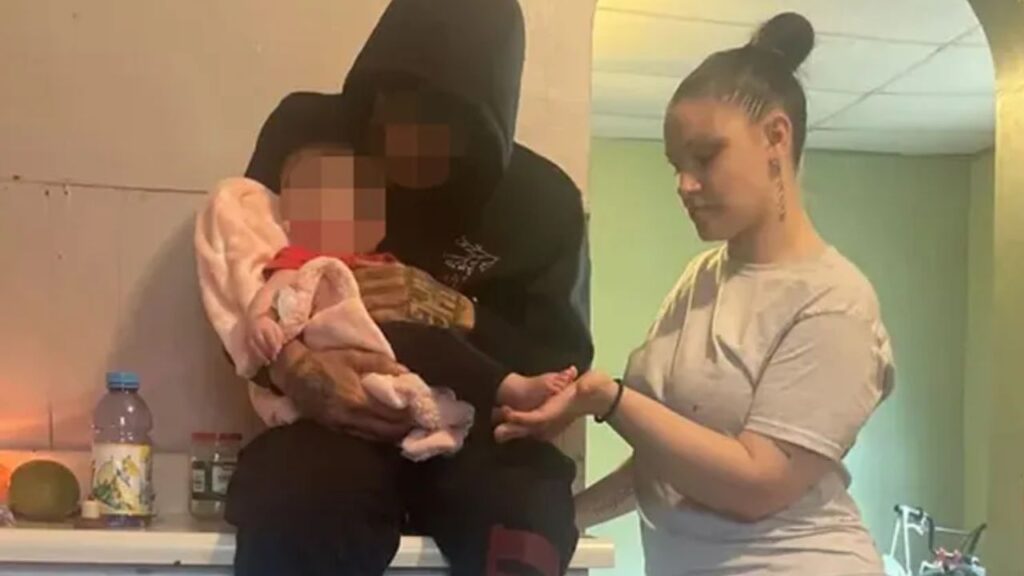
The woman at the center of the dispute testified that she and Beck had separated several months before the shooting, although his name remained on the apartment lease. She had begun seeing Conrad but said she occasionally continued spending time with Beck.
According to her testimony, Beck called her and said he knew Conrad was there because he had seen the younger man’s truck parked outside.
Why the Jury Convicted Beck of Second-Degree Murder
After considering the competing accounts, jurors found Beck guilty of second-degree murder rather than first-degree murder.
The verdict meant the jury did not find the killing to be premeditated to the degree required for a first-degree murder conviction. However, it rejected the defense’s effort to have the incident treated as manslaughter.
The conviction exposed Beck to a lengthy prison sentence, which was ultimately set at 30 years behind bars by Judge Philippe Matthey.
Conrad’s Family Speaks Out During Sentencing
The emotional impact of Conrad’s death was also heard during the sentencing proceedings. One of Conrad’s aunts addressed Beck in court, describing the lasting grief experienced by the victim’s family.
“You didn’t just kill him; you killed laughter in our home,” she said. “You killed quiet moments that should have been filled with his voice. You condemned us to a lifetime of grief, and I hope you carry that same burden.”
Her statement underscored the consequences of the fatal shooting for relatives who must continue living with the loss.
What do you think about the 30-year sentence in this case? Do you believe the jury made the right decision in rejecting the self-defense argument? Share your thoughts in the comments below.