
FLORIDA — Health and mosquito-control officials are increasing efforts to slow the spread of dengue fever as the number of locally acquired cases continues to climb across the state.
As of Sept. 1, Florida had recorded 41 locally acquired dengue cases, including 33 in the Tampa Bay area, according to the reported figures. Officials expect the number to increase in the coming weeks as conditions remain favorable for the mosquitoes that can transmit the virus.
Locally acquired cases are particularly significant because they mean people contracted dengue within the communities where they live, rather than becoming infected while traveling outside the country.
The Florida Mosquito Control Association reported cases across several counties, including 30 in Hillsborough County, seven in Miami-Dade County, three in Pinellas County and one in Palm Beach County.
Hillsborough and Pinellas counties are currently under mosquito-borne illness alerts issued by the Florida Department of Health.
Officials Warn Dengue Could Spread Further
Dengue is a mosquito-borne viral illness that can cause fever, severe body aches, nausea and rash. While many infected people experience mild symptoms or no symptoms at all, the illness can sometimes develop into severe dengue, which can be life-threatening.
The virus is especially common in tropical and subtropical regions around the world. Although locally acquired dengue remains less common in the continental United States, Florida has experienced local transmission in recent years.
Pinellas County Mosquito Control Director Alissa Berro warned that the virus does not stay contained within individual communities.
“Dengue does not stop at county lines,” Berro told Fox 13.
She explained that while the mosquitoes capable of transmitting dengue generally travel only short distances, people move throughout the Tampa Bay region every day.
That movement can create opportunities for additional transmission. A person infected with dengue can travel to another area, where a local mosquito may bite them and later transmit the virus to someone else.
As the number of infections increases, officials say the potential for additional local transmission also grows.
Mosquito Control Crews Increase Spraying
Mosquito-control agencies are responding by increasing surveillance and treatment efforts in areas where dengue activity has been detected.
Crews are carrying out aerial and ground treatments while also inspecting private properties for locations where mosquitoes could breed.
Officials are particularly concerned about standing water around homes because the mosquito species that can spread dengue is known as a container breeder.
These mosquitoes can lay eggs in relatively small amounts of water collected in everyday objects, including buckets, planters, plant saucers, old tires and discarded toys.
That means residents can play an important role in reducing mosquito populations around their own homes.
Residents Urged to Follow the ‘Three Ds’
The Florida Mosquito Control Association is encouraging residents to follow what it calls the “three Ds” to reduce their exposure to mosquitoes.
Residents are advised to dress appropriately by wearing long sleeves, light-colored clothing and closed-toe shoes when outdoors.
700 People Swarm Los Angeles Street Takeover as Police Make 66 Arrests and Issue 570 Tickets
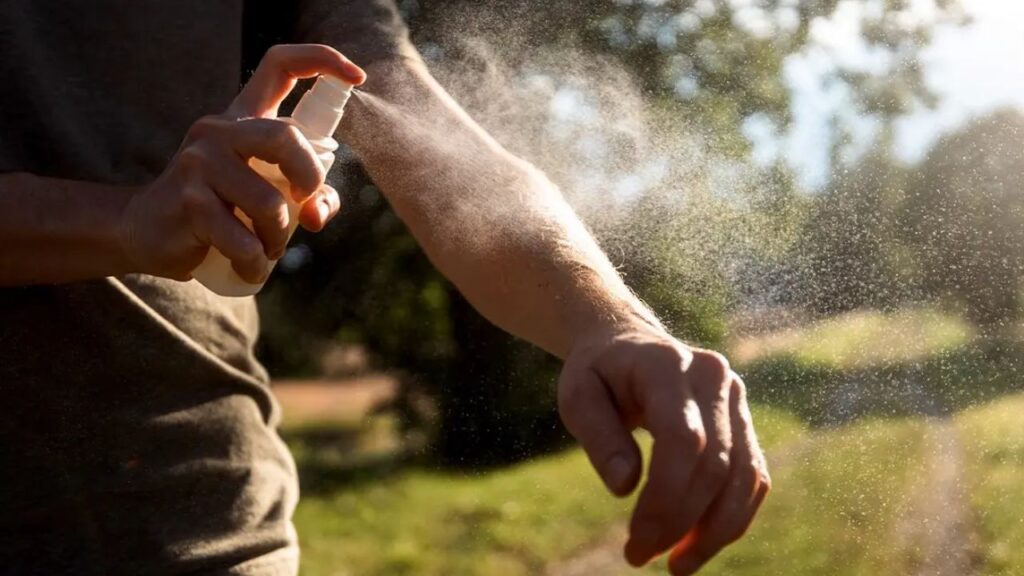
The second step is to defend against mosquito bites by using an insect repellent containing ingredients such as DEET, picaridin, IR3535 or oil of lemon eucalyptus.
The final step is to dump standing water from containers around the property and regularly check yards for anything that could collect rainwater.
Even small amounts of stagnant water can provide breeding opportunities for mosquitoes.
Severe Dengue Warning Signs Can Develop Quickly
Many people who become infected with dengue have no symptoms, while others recover within a week or two.
However, severe dengue can become dangerous, and warning signs may appear quickly, sometimes within a day or two after a fever begins to improve.
Those warning signs can include severe abdominal pain, repeated vomiting, unusual bleeding or bruising, difficulty breathing, extreme tiredness, irritability or restlessness.
People experiencing these symptoms should seek immediate medical care.
With locally acquired cases already rising, Florida health and mosquito-control officials are urging residents not to wait for more infections before taking precautions.
Have you noticed increased mosquito activity in your area of Florida? Share your experience in the comments and let others know how you are protecting your family.









2 thoughts on “Rising Dengue Fever Cases Put Florida on Alert as Officials Increase Mosquito Treatments and Warn of More Cases Ahead”