Utah — Four deaths linked to powerful kratom-derived compounds have prompted a warning from state health officials as investigators examine potentially dangerous products marketed as herbal supplements and sold at smoke shops, gas stations and online retailers.
The Utah Poison Control Center announced that the deaths occurred over the previous four months and were associated with two compounds, MGPI and MGM-15, which can have serious health consequences. Officials warned that these substances may cause severe withdrawal symptoms, overdose and death.
The investigation has raised concerns about products that appear to be ordinary botanical supplements but may contain potent, semi-synthetic substances with opioid-like effects.
Four Deaths Prompt Warning From Utah Officials
According to the Utah Poison Control Center, the four people who died had taken products associated with MGPI or MGM-15. Authorities are investigating the manufacturers and the circumstances surrounding the cases.
The Utah Department of Health and Human Services also warned consumers about kratom-derived products available through several retail channels, including smoke shops, gas stations and online stores.
Kratom comes from a tropical tree native to Southeast Asia. Its leaves contain compounds that can affect opioid receptors in the brain. Some manufacturers use kratom-derived substances to produce more potent compounds, raising concerns about their effects on the body.
Products containing these substances have been described as “gas station heroin” because of their potentially powerful opioid-like effects. However, the nickname does not mean every kratom product has the same composition or risk profile.
Why Products Marketed as Herbal Supplements Are Under Scrutiny
One of the main concerns is how certain products are labeled and advertised. Supplements presented as botanical blends or alternatives to conventional kratom products may contain ingredients that consumers do not expect.
Utah officials specifically highlighted Buzzers tablets, which are advertised as a proprietary blend of botanical extracts.
Dr. Michael Moss, medical director of the Utah Poison Control Center, told that one of the four deaths involved the use of a Buzzers product.
Exo Club, the company that manufactures Buzzers, has disputed concerns about the product’s ingredients. Its product description states that the tablets do not contain kratom or popular kratom compounds.
That disagreement underscores a central issue for investigators: whether product labeling accurately reflects what is inside these supplements. The available information does not establish that every Buzzers product contains the compounds identified by Utah officials.
State authorities, law enforcement agencies and the U.S. Food and Drug Administration are investigating the companies connected to the products.
Utah’s Kratom Restrictions May Not Eliminate Access
Utah banned the sale of kratom extracts and products containing semi-synthetic kratom compounds in May, according to the report. However, the state’s health department warned that potentially dangerous products could remain available at some retail locations.
The warning highlights the challenges officials face when products are sold through multiple channels or marketed under different names.
Consumers may also struggle to assess the risks when packaging uses terms such as herbal, botanical or proprietary blend. Such descriptions do not, by themselves, establish that a product is safe or free of potent compounds.
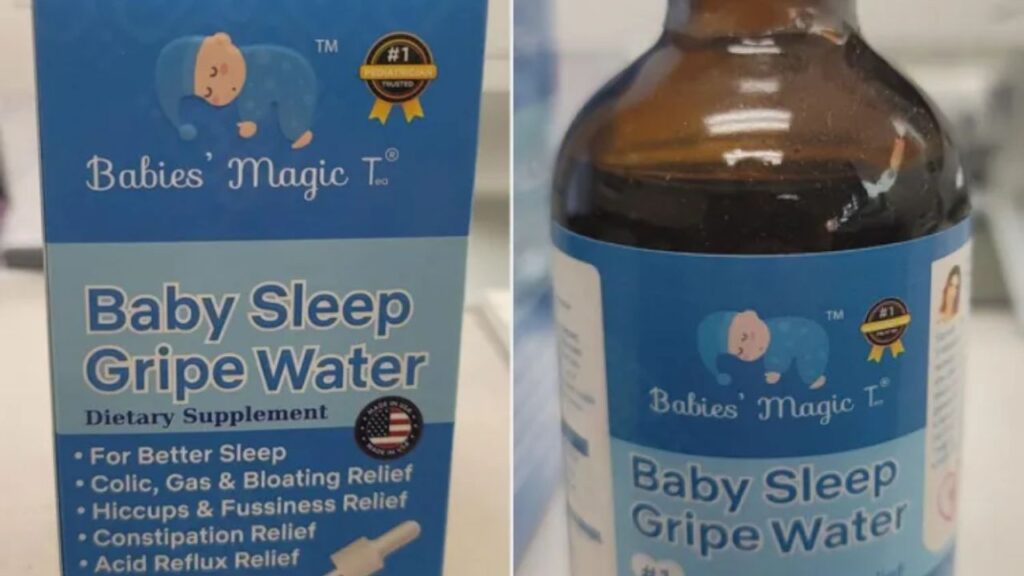
FDA Issues Recall for Baby Supplement After Finding Ethanol, Methanol and Isopropanol
Officials’ warning comes as concerns about concentrated kratom-derived substances extend beyond Utah.
Mississippi Student Deaths Raise Further Questions
The Utah announcement followed the deaths of two University of Mississippi students who reportedly had kratom-related products nearby when they were found dead on the same night.
Eighteen-year-old Aidan Hamilton reportedly purchased Smax Pseudo-DHM, a chewable supplement, at a smoke shop near campus about a week before his death.
The other student, 20-year-old Robert Strang, reportedly had a packet of Smax on his nightstand when he was found in his off-campus apartment. Court documents reportedly described the packet’s presence.
The circumstances surrounding the students’ deaths have raised further questions about the availability and safety of products containing potent kratom-related substances. However, the presence of a product near a deceased person does not, by itself, establish the cause of death.
What Consumers Should Know About Kratom-Derived Products
Health officials’ warnings highlight the importance of caution with supplements that have unclear ingredients or make claims about being herbal alternatives.
Consumers should avoid products with uncertain contents and seek guidance from a qualified health professional before using supplements that may affect the nervous system. Anyone experiencing severe symptoms after taking a suspected kratom-derived product should seek emergency medical assistance.
The Utah cases also raise broader questions about ingredient transparency, product testing and oversight of supplements sold outside traditional pharmacies.
As investigators examine the products associated with the deaths, consumers may want to pay closer attention to ingredient lists and avoid assuming that a product is harmless simply because it is sold at a gas station or labeled as botanical.
Do you think stronger testing and labeling requirements are needed for products marketed as herbal supplements? Share your thoughts in the comments.