Hilo, Hawaii — Tropical Storm Nolo is strengthening south of Hawaii as the Big Island prepares for a potentially dangerous combination of hurricane-force winds, catastrophic flooding and days of torrential rain. Forecasters expect Nolo to become a hurricane and say it could reach major hurricane strength as it approaches the islands Friday and Saturday.
The National Hurricane Center said Nolo had maximum sustained winds of 45 mph Wednesday evening and was located about 295 miles south of South Point, Hawaii. A hurricane watch is in effect for Hawaii County as the storm turns northward toward the Big Island.
Nolo Could Become a Major Hurricane
Nolo developed into a tropical storm Wednesday and has continued to become better organized. Forecasters expect the system to strengthen into a hurricane Thursday night, with the possibility of reaching major hurricane strength by the weekend.
The storm is expected to approach the Big Island on Friday and Saturday. The exact track remains critical because even a relatively small change could determine how close the center comes to land.
The National Weather Service said hurricane conditions could begin affecting Hawaii County as early as Friday night. Strong tropical-storm-force winds could arrive earlier, creating dangerous conditions for residents and emergency crews.
Big Island Could Take the Worst of the Rain
Rainfall may ultimately become the biggest danger from Nolo.
The latest official forecast calls for 15 to 20 inches of rain across the Big Island, with maximum amounts reaching 35 inches. Forecasters warn that such rainfall could produce catastrophic flooding and dangerous mudslides, particularly across steep terrain.
The storm’s slow movement is a major reason for concern. Instead of quickly passing through the region, Nolo could linger near Hawaii long enough to produce repeated bands of intense rain.
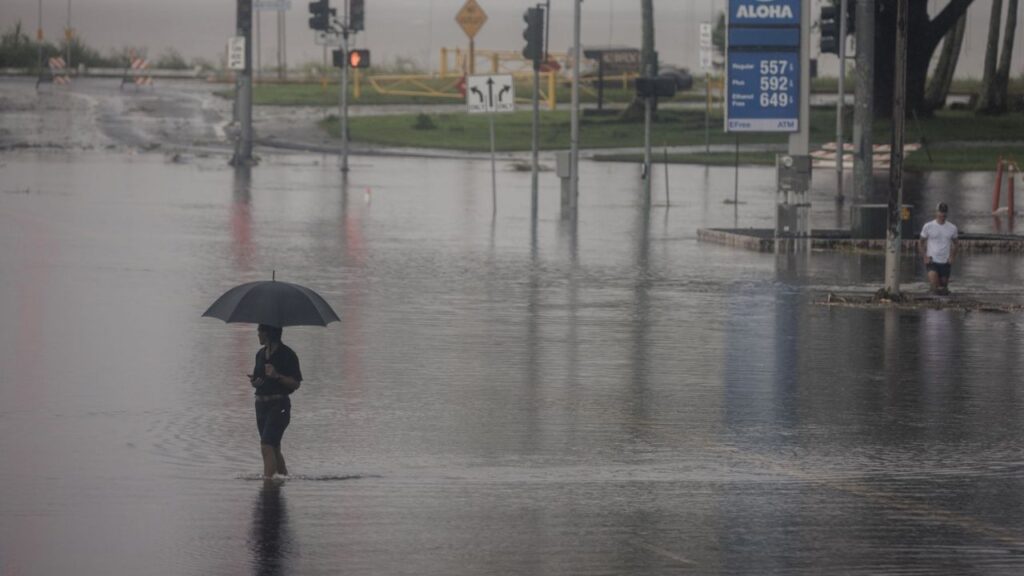
That raises the potential for flooding that lasts for multiple days, including in locations that do not normally experience flooding.
Areas already damaged by previous storms could be especially vulnerable.
Maui Could Also Receive Significant Rain
The threat is not limited to the Big Island.
Northern portions of Maui could receive 8 to 12 inches of rain, while some areas along the island’s northeastern slopes could see totals of 12 to 18 inches, according to the forecast cited by AccuWeather.
The official Hawaii Emergency Management Agency also warned that Maui could receive several inches of rain, with locally higher amounts possible.
Heavy rainfall on steep terrain can quickly trigger runoff, flash flooding and landslides, making the duration of the storm especially important.
Nolo Could Rival Hawaii’s Historic Rainfall Events
The potential rainfall has drawn comparisons to some of Hawaii’s most extreme tropical weather events.
Hurricane Lala passed about 40 miles south of the Big Island on Aug. 16 but still produced devastating rainfall and powerful winds. Laupahoehoe recorded 43.54 inches of rain, while winds at the summit of Mauna Kea reached 140 mph.
Nolo could produce even more rainfall if the higher-end forecasts verify.
Hurricane Lane produced approximately 58 inches of rain in Hawaii in 2018, surpassing the previous record associated with Hurricane Hiki in 1950.
AccuWeather’s current projection includes a possible maximum of 55 inches on the Big Island, although actual rainfall totals will depend on Nolo’s eventual track and intensity.
Dangerous Winds and Power Outages Possible
Heavy rain will not be the only concern.
Nor’easter Threatens the East Coast With Flooding, 50-MPH Winds and Heavy Rain This Weekend
Forecasters expect 40-60 mph wind gusts across parts of Hawaii and Maui counties, with stronger winds possible over the southern Big Island and higher elevations.
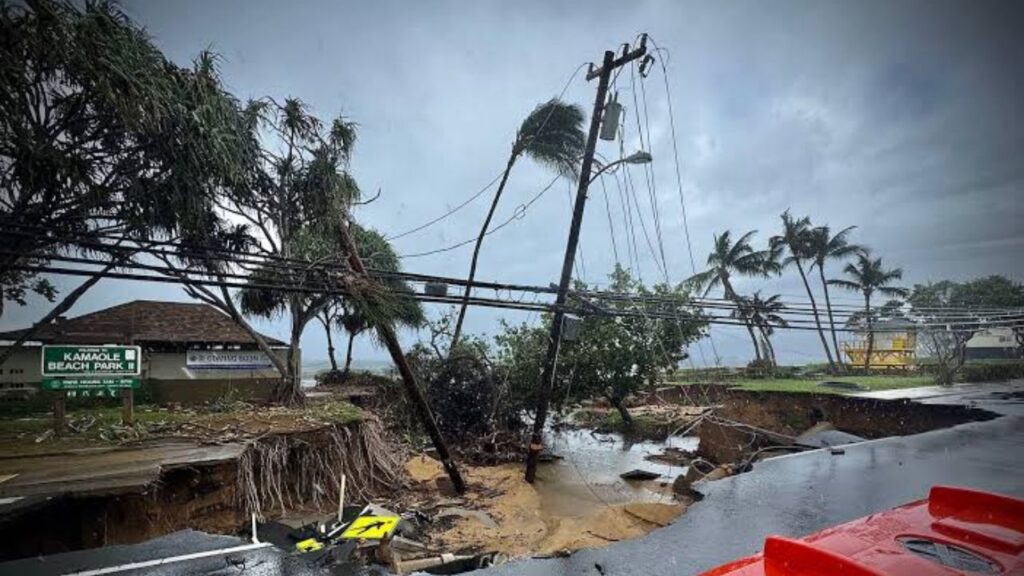
Those winds could knock down trees and power lines and cause structural damage. Communities that experienced widespread outages during Hurricane Lala could be particularly vulnerable if additional infrastructure is damaged.
Nolo’s slow movement could also produce prolonged storm surge along southern- and east-facing beaches. AccuWeather estimates that storm surge could reach several feet along portions of the southern Big Island.
El Niño Has Fueled an Unusually Active Season
Hawaii has already experienced an unusual amount of tropical activity this season.
A strengthening El Niño has contributed to unusually warm Pacific waters, providing additional energy for tropical systems. The season has already included Hurricane Lala, Tropical Storm Moke and Hurricane Lowell.
Hawaii rarely experiences direct impacts from several tropical systems in a single season. The current pattern therefore stands out, particularly with Nolo now threatening to bring another significant round of dangerous weather.
Are you in Hawaii and preparing for Tropical Storm Nolo? Share your location and weather conditions in the comments, and let us know how your community is getting ready for the potentially dangerous weekend ahead.