Texas, USA — A Texas state budget proposal could eliminate a program that helps children with autism access therapy at reduced costs, leaving families and disability advocates worried about what comes next for children who depend on these services.
For 7-year-old Israel Solis, therapy through the state-supported Children’s Autism Program (CAP) has helped him communicate his needs. Born autistic and nonverbal, Israel previously bit and scratched himself out of frustration when others struggled to understand him. Through therapy in Houston, he learned to use a picture-based communication system to express what he wants.
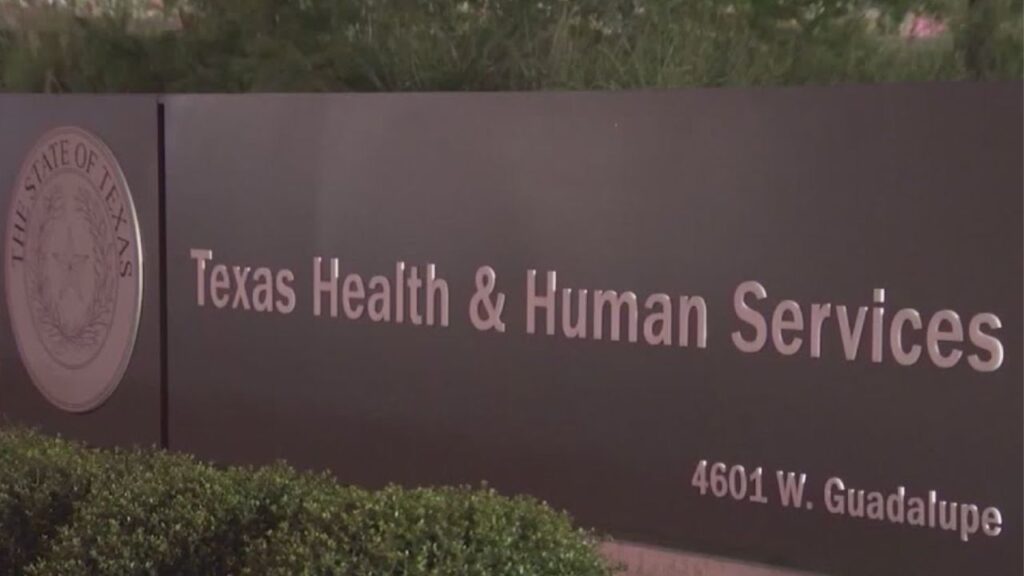
Now, the program that helped him make that progress faces a possible shutdown under a funding proposal from the Texas Health and Human Services Commission (HHSC).
Texas Proposes Ending State-Funded Autism Program
In its budget request for the 2028-2029 biennium, HHSC proposed eliminating funding for the Children’s Autism Program entirely as the state looks to reduce spending.
The proposal has alarmed families, service providers and autism advocates who say the program provides an important source of support for children whose families struggle to access affordable therapy.
Israel’s mother, Elizabeth Solis, said losing access to the program would create significant uncertainty for families who rely on its services. She also has another son receiving treatment through a CAP-funded program at the University of Houston-Clear Lake’s Center for Autism and Developmental Disabilities. She currently pays nothing for their services.
“If the doors just completely close to access that at all, you just feel like it’s all caving in on you, like ‘how am I going to get some help?’” she said.
The proposal is part of a broader state effort to reduce agency spending, but advocates question why a program serving children with significant needs was selected for elimination.
How the Children’s Autism Program Helps Families
Established in 2008, CAP contracts with 16 providers across Texas to offer focused applied behavior analysis (ABA) therapy to eligible children with autism.
The program adjusts costs according to family income and insurance coverage, helping some families access treatment at little or no cost. Eligible children can receive up to 720 hours of ABA therapy over their lifetime.
The state spent $13.7 million on the program over the previous two years. It also expanded eligibility this year to include individuals up to age 21 and removed a cap on yearly treatment hours.
During fiscal year 2026, the program funded treatment for 583 children. However, contractors report that at least 1,000 additional children are waiting for services across Texas.
Jacquie Benestante, executive director of the Autism Society of Texas, said advocates were surprised to find that the program’s funding line had been removed from the proposed budget.
“We’re used to having to fight for funding, but to actually have a program just slashed and canceled is pretty shocking,” she said.
Why Is Texas Considering the Cuts?
In July, Gov. Greg Abbott, Lt. Gov. Dan Patrick and House Speaker Dustin Burrows directed state agencies, appellate courts and universities to reduce spending by 3% in the next biennium.
HHSC officials pointed to the agency’s budget reduction summary when asked why the autism program was targeted. The summary states that the agency focused on reductions expected to have the lowest direct impact on clients while minimizing effects on federal funding.
However, HHSC’s own budget request acknowledges that demand for autism services exceeds the availability of qualified providers, particularly in rural areas.
The request also notes that insurance coverage does not necessarily guarantee access to treatment because providers may not be available in every part of the state.
If lawmakers approve the proposed elimination, HHSC says children would continue receiving services through the end of August 2027.
Why Medicaid May Not Fill the Gap
One possible factor behind the proposal is the expansion of Medicaid coverage for ABA therapy in 2022 for eligible individuals aged 20 and younger.
That change may have made the state-funded program appear less necessary. However, disability advocates say Medicaid does not cover every family’s circumstances or guarantee that treatment will be available.
Families without insurance and those covered by certain self-funded insurance plans may not have coverage for ABA therapy. Even when Medicaid benefits apply, low reimbursement rates can make it difficult to find providers willing to accept Medicaid patients.
Jolene Pohl, advocacy director for the Coalition of Texans with Disabilities, said CAP helps families who fall through these coverage gaps.
“It would make more sense to increase the funding and get those kids off the waitlist and give them the services that they need,” Pohl said, warning that delays could ultimately cost the state more if eligible families do not receive timely services.
What Happens Next for Texas Families?
The proposal is not yet a final decision to close the program. The Texas Legislature would need to consider the funding request as part of the state’s 2028-2029 budget process.
For families currently receiving treatment, the uncertainty raises questions about future access, affordability and the availability of qualified providers.
The issue is especially significant for families already facing long waiting lists and limited treatment options in rural communities. Without CAP, some could struggle to find affordable alternatives even when insurance technically covers services.
For now, the program’s future depends on the budget process and the decisions lawmakers make about state-funded autism services.
Should Texas lawmakers preserve funding for the Children’s Autism Program, especially with more than 1,000 children reportedly waiting for services? Share your thoughts in the comments.