MINNESOTA — The Land of 10,000 Lakes is facing an increasingly serious water problem, with drought conditions spreading across much of the state and experts warning residents not to take the water supply for granted.
About 88% of Minnesota is experiencing abnormally dry or drought conditions, according to state officials. Nearly half of the state has reached the severe drought category, raising concerns about declining water levels and what could happen if dry conditions continue.
“Right now, almost half of our state is in severe drought,” said Luigi Romolo, state climatologist with the Minnesota Department of Natural Resources.
Romolo said the current drought is now competing with the 2021 drought in terms of severity. If Minnesota continues without enough meaningful rainfall, conditions could deteriorate even further.
Years of Dry Weather Are Draining Minnesota’s Water Storage
The situation is particularly concerning in north-central Minnesota, where experts are describing the conditions as a “storage drought.”
Unlike a short period of dry weather, a storage drought develops after repeated drought conditions leave less water stored in the environment over several years.
That means the effects can be seen across multiple sources of water, including lakes, streams and groundwater. Romolo said some areas have accumulated a major precipitation deficit over recent years.
“They’re about half a year’s worth of precipitation below normal over the last four to five years,” Romolo said.
That long-term shortage means even a single round of rain may not be enough to restore water supplies to normal levels.
Low River and Water Levels Show the Impact
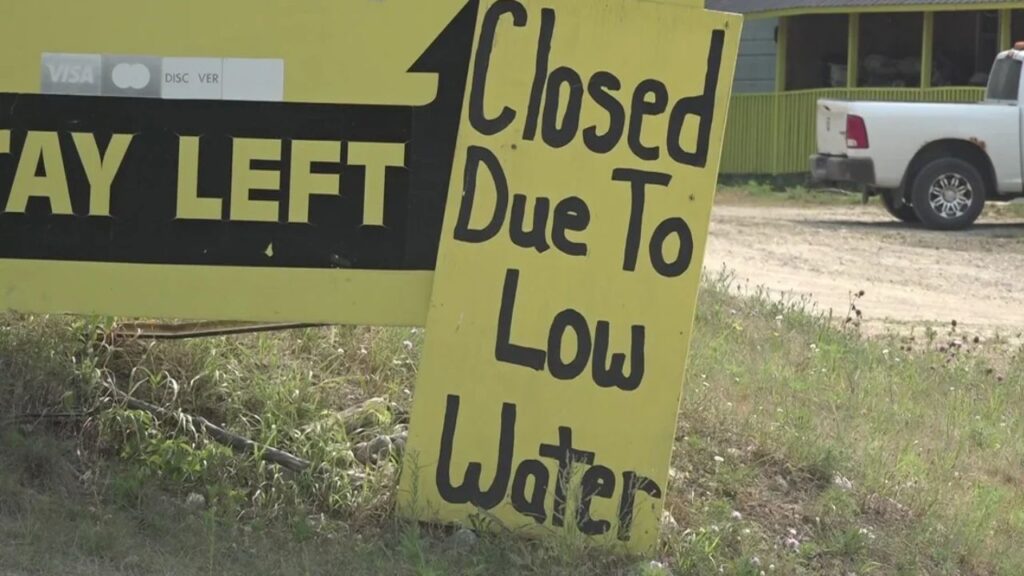
The drought is already affecting outdoor recreation and natural landmarks across Minnesota. In Otter Tail County, river levels have fallen so low that tubers are being forced to remain on shore instead of floating downstream.
Meanwhile, Minnehaha Falls in Minneapolis, normally known for its powerful flow, has also been reduced to a much lower level.
Those visible changes are reminders that the drought is not simply a number on a weather map. The lack of precipitation is affecting waterways and communities across the state.
Five watersheds remain in the drought warning response phase, meaning conservation measures are required to help prevent conditions from becoming even worse.
The statewide drought response plan calls for actions involving public water suppliers, residents and dam operators.
Minnesota Communities Begin Taking Action
Some communities in the Twin Cities metro area are already responding to the worsening conditions.
Officials in Oakdale, Brooklyn Center, Burnsville and Edina are among those taking steps related to water conservation. However, Romolo said residents should not wait for mandatory restrictions before changing their water-use habits.
The warning is especially important if dry conditions continue and water demand remains high.
“Our water source is not a bottomless pit,” Romolo said. “There is a limit to how much water there is in Minnesota.”
The statement comes as officials try to encourage residents to think about everyday water use before the situation becomes more severe.
Experts Urge Residents to Conserve Water Now
Romolo said people can make a difference through simple changes in their daily routines.
“Take shorter showers. Don’t run the water when you’re shaving or brushing your teeth,” Romolo said.
Those small actions may seem insignificant individually, but widespread conservation could help reduce pressure on water supplies while Minnesota waits for more substantial rainfall.
The state’s long-term climate outlook adds another layer of uncertainty. Romolo said Minnesota is expected to become warmer and wetter in the future, but it remains unclear whether increased precipitation will be enough to offset rising water demand.
For now, experts say residents should focus on what they can control.
Heavy Rain Will Be Needed to Ease the Drought
Any rainfall would provide some relief, but experts caution that Minnesota needs much more than a brief shower to reverse the current conditions.
While every amount of rain helps, it could take several days of heavy rainfall to make a meaningful dent in the drought. Until that happens, officials are urging Minnesotans to remain mindful of how much water they use.
The message from state experts is straightforward: conservation should begin before restrictions become necessary, because Minnesota’s water resources are limited and years of dry conditions have already taken a significant toll.
How are drought conditions affecting your area of Minnesota? Share what you’re seeing and your thoughts on water conservation in the comments.