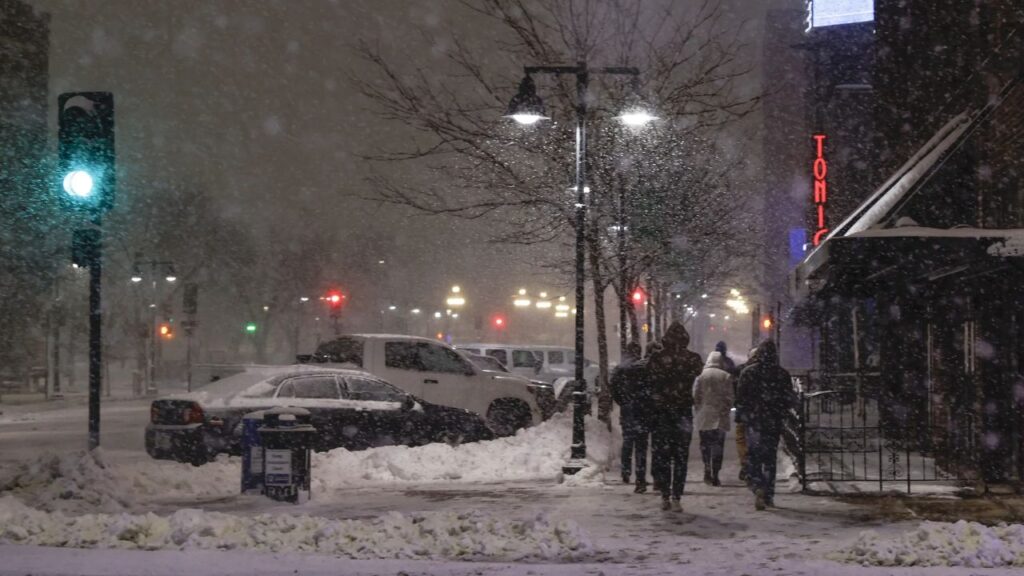
Washington, D.C. — A potentially historic El Niño is expected to play a major role in shaping winter weather across the United States, with warmer-than-average temperatures favored across much of the northern U.S. and wetter conditions likely across the South and East Coast, according to the National Oceanic and Atmospheric Administration (NOAA).
NOAA released its winter outlook on October 15, covering December 2026 through February 2027. The forecast points to an increased chance of a stormier winter across southern states, while parts of the northern United States could experience temperatures above their seasonal averages. Florida also stands out for its elevated chances of wetter-than-normal conditions.
However, the outlook does not guarantee specific weather conditions for every city. Seasonal forecasts describe probabilities over several months rather than predicting individual storms or daily temperatures.
How El Niño Could Shape Winter Weather
El Niño is the warmer phase of the El Niño–Southern Oscillation (ENSO), a natural climate pattern involving changes in sea surface temperatures across the central and eastern equatorial Pacific Ocean. Its cooler phase is known as La Niña, while ENSO-neutral conditions occur when neither phase is dominant.
El Niño’s influence on weather patterns across the United States is often strongest during winter. According to NOAA, the developing event is expected to influence the position of the jet stream, which helps steer storms across the country.
Ken Graham, director of NOAA’s National Weather Service, said a very strong El Niño would likely shift the jet stream southward and eastward, increasing the likelihood of stormier conditions across the South.
That pattern could bring beneficial precipitation to drought-affected areas. However, excessive rainfall could also increase the risk of flash flooding and mudslides, particularly in vulnerable locations.
Northern States Could See Warmer Winter Conditions
NOAA’s temperature outlook favors above-average winter temperatures across much of the northern United States, including parts of the Northeast, Upper Midwest and Pacific Northwest. Alaska, Puerto Rico and the U.S. Virgin Islands are also included in the agency’s broader outlook for warmer-than-normal conditions.
Meanwhile, near-average temperatures are favored across parts of the Southeast, including Florida, according to NOAA’s forecast.
The warmer outlook does not mean cold weather will disappear. Individual cold snaps, snowstorms and periods of freezing temperatures can still occur even when seasonal averages trend above normal.
For residents hoping to understand how winter may unfold locally, updated short-range forecasts will remain important as December approaches.
Florida and the South Face a Wetter Winter
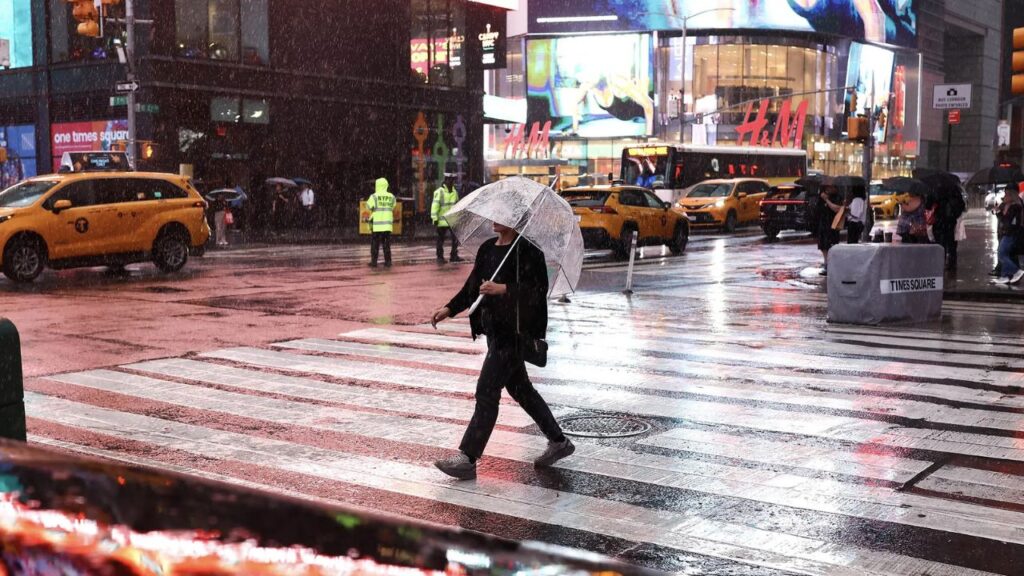
The precipitation outlook points to increased chances of wetter-than-average conditions from parts of California and the Southwest through the southern Plains, Gulf Coast and Southeast, extending toward portions of the East Coast.
Florida has some of the strongest probabilities for above-average precipitation in the outlook. Parts of California and Arizona also have significant chances of experiencing a wetter-than-normal winter.
Additional rainfall could help improve drought conditions across portions of the Southwest, southern Plains, Southeast and East Coast. Nevertheless, heavy precipitation can create problems when rainfall accumulates faster than the ground and drainage systems can absorb it.
Hurricane Isaias Spawned 18 Confirmed Tornadoes, Including 5 Powerful EF2 Twisters
Flooding, runoff and mudslides are among the potential concerns in areas that experience prolonged or intense rainfall.
Why Experts Say the Forecast Is Not a Guarantee
Despite growing confidence in a strong El Niño, scientists caution that its effects will not be identical everywhere.
Michelle L’Heureux, a physical scientist at NOAA’s Climate Prediction Center, emphasized that even a historic El Niño could produce weather conditions in some locations that differ from the typical pattern.
El Niño influences the preferred paths of weather systems, but it does not determine exactly where every storm will travel. That uncertainty is why NOAA presents seasonal outlooks in terms of probabilities rather than certainties.
What Americans Should Watch Before Winter Arrives
The latest outlook suggests that the South could face a wetter winter while much of the northern United States has increased chances of above-average temperatures.
Residents in drought-affected areas may welcome additional precipitation, but communities vulnerable to flooding should remain alert to changing forecasts. People across northern states should also prepare for the possibility of individual cold spells despite the warmer seasonal outlook.
As winter approaches, NOAA’s updated forecasts will help clarify how these broad patterns may affect individual regions.
Are you expecting a warmer winter or more rain where you live? Share your state and your winter weather predictions in the comments below.