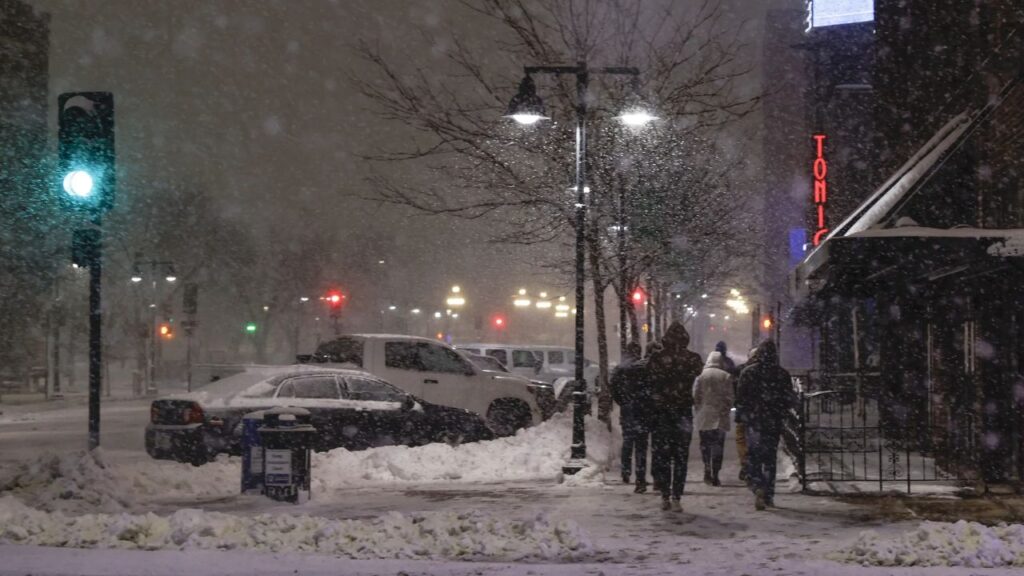
Washington, D.C. — Parts of the United States could see much-needed rain and snow this winter as a powerful El Niño influences weather patterns across the country, potentially easing drought conditions in several regions. However, the latest winter outlook from the National Oceanic and Atmospheric Administration (NOAA) also points to drier conditions in parts of the northern United States, raising concerns about areas already struggling with limited water supplies.
NOAA’s seasonal outlook, released Thursday, covers December 2026 through February 2027. It forecasts broad temperature and precipitation patterns rather than specific storms or snowfall totals, offering an early look at what communities could experience during the winter months.
The developing weather pattern could bring significant differences between the wetter South and portions of the drier northern tier, while warmer-than-average temperatures are expected across large areas of the country.
Where Could Rain and Snow Bring Drought Relief?
According to NOAA’s winter outlook, much of the southern United States could experience wetter-than-average conditions between December and February.
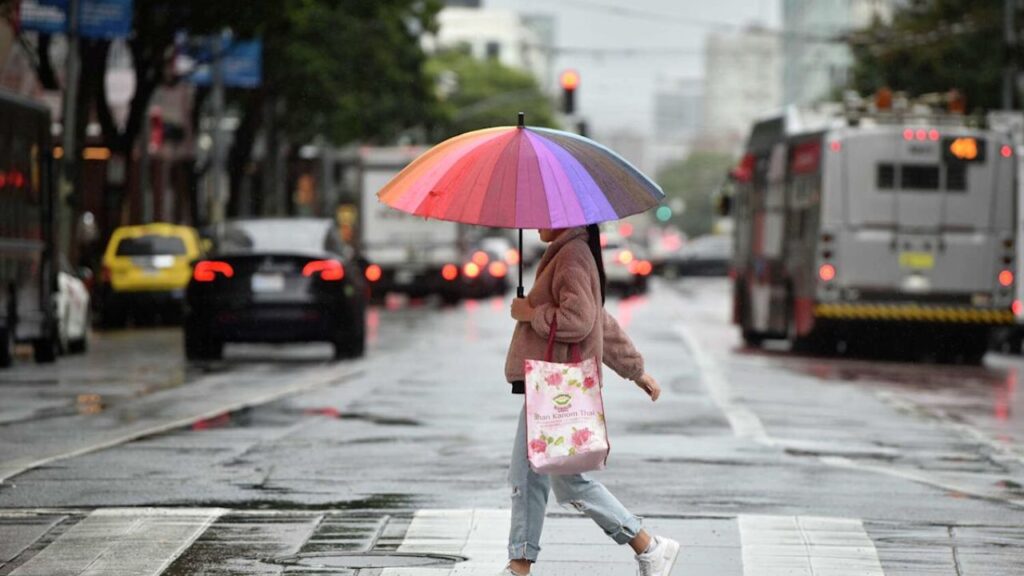
The areas with an increased chance of above-average precipitation include parts of the Southwest, Southeast and portions of the East Coast. These conditions could help replenish water supplies and ease drought affecting parts of the Southwest, southern Great Plains and East Coast.
For communities that have experienced prolonged dry weather, additional precipitation could provide important relief. Rainfall and mountain snowfall can help replenish reservoirs, improve soil moisture and contribute to seasonal water supplies.
However, the outlook does not guarantee that every drought-affected location will receive enough precipitation to end its dry spell. Local results will depend on the timing, frequency and intensity of winter storms.
Strong El Niño Could Shape the Winter Forecast
El Niño is a climate pattern characterized by warmer-than-average sea surface temperatures in the central and eastern tropical Pacific Ocean. It can influence atmospheric circulation and shift the typical paths of storms across different parts of the United States.
Although El Niño is often associated with warmer conditions in some regions, it does not mean the entire country will experience a mild winter.
Ken Graham, director of NOAA’s National Weather Service, emphasized the risks during a Thursday briefing.
“A strong El Niño does not reduce the severity of winter weather risks,” Graham said.
Previous El Niño events have often been associated with stormier conditions across the southern United States. This pattern can increase opportunities for rain and mountain snow in some drought-stricken areas.
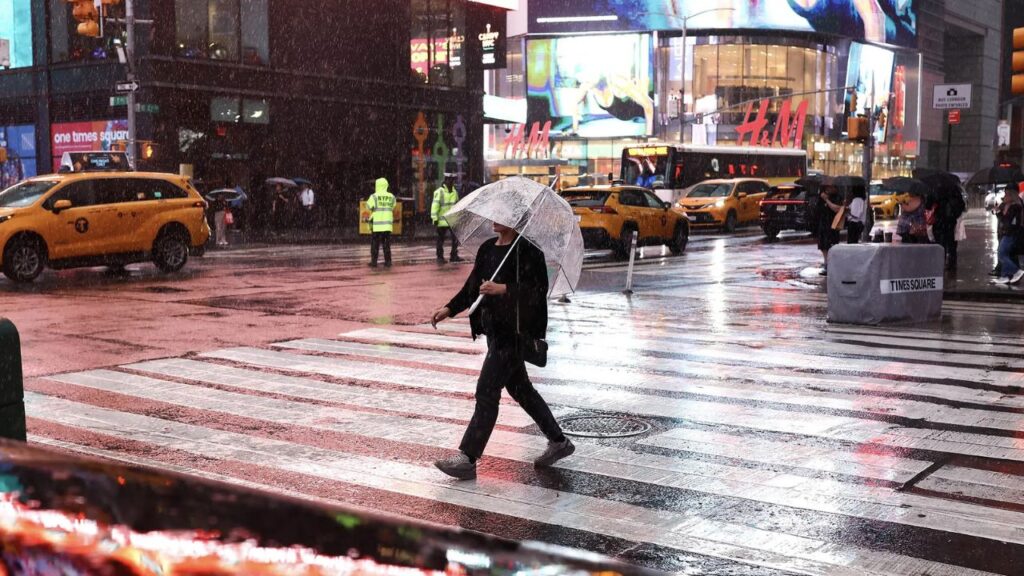
But heavier precipitation can also create new hazards. When intense rainfall falls on dry or hardened ground, water may run off quickly instead of soaking into the soil. This can increase the risk of flash flooding and mudslides in vulnerable locations.
Communities should therefore prepare for both the potential benefits of increased precipitation and the dangers of extreme weather.
Which Regions Could Experience Drier Conditions?
While the South may have a greater chance of a wetter winter, NOAA’s outlook identifies several areas where below-average precipitation is more likely.
Parts of the Great Lakes region, the northern Mountain West, Hawaii and much of Alaska could experience drier-than-average conditions.
The outlook also raises concerns about drought developing or worsening in parts of Oregon, eastern Washington and the northern Rocky Mountains. Some of these areas have already experienced extended periods of insufficient water.
Drier winter conditions could limit the amount of moisture entering local watersheds and affect water supplies heading into the following seasons.
Other parts of the country have less certain precipitation forecasts. Portions of the Intermountain West, northern Plains and Ohio Valley have equal chances of receiving below-average, near-average or above-average precipitation.
That means the outlook does not favor one particular precipitation category in those locations.
NOAA Expects Warmer-Than-Average Temperatures in Many States
Precipitation is only one part of the winter forecast. NOAA also expects warmer-than-average temperatures across large sections of the United States.
The outlook identifies parts of northern California, the Pacific Northwest, the Midwest and the Mississippi Valley among the areas with increased chances of above-average winter temperatures. Much of the eastern United States and Alaska could also experience warmer-than-normal conditions.
Meanwhile, the southern portion of the country is generally expected to have temperatures closer to seasonal averages, with portions of the Southeast, including Florida, forecast to have near-normal temperatures favored.
Much of the Southwest and Hawaii have equal chances of below-average, near-average or above-average temperatures.
Northeast Braces for Powerful Storm With 40 MPH Winds, Heavy Rain and Season’s Coldest Temperatures
Warmer-than-average seasonal conditions do not rule out cold snaps, freezing temperatures or individual snowstorms. A seasonal outlook describes broad probabilities over several months rather than the weather expected on a particular day.
Could This Winter Finally Ease the Drought?
The forecast offers hope for drought-stricken areas, particularly across parts of the Southwest, southern Great Plains and East Coast. Additional precipitation could improve soil moisture and support water supplies in affected communities.
However, the benefits will depend on whether rainfall and snowfall are sufficient and distributed evenly enough to improve local conditions.
Some regions may see drought ease, while others could remain dry or experience worsening shortages. Heavy precipitation can also cause flooding even in places that need more water overall.
The most important takeaway is that a wetter winter does not automatically mean drought will end, and a warmer winter does not eliminate the possibility of dangerous cold or snow.
What Americans Should Watch Before Winter Arrives
As December approaches, residents should monitor updated seasonal forecasts, local drought assessments and weather alerts. Areas expecting more precipitation should prepare for possible flooding, while communities facing drier conditions may need to continue conserving water.
The outlook will become more useful when combined with shorter-range forecasts that identify specific storms, rainfall totals, snowfall amounts and temperature changes.
Could this winter bring much-needed drought relief to your state, or are you concerned about another dry season? Share your location and winter weather expectations in the comments below.