Dallas, Texas — A Texas mother is warning parents about a little-known food safety risk after her 4-month-old daughter developed a severe case of Salmonella that doctors believed was likely connected to pumpkin exposure during fall activities.
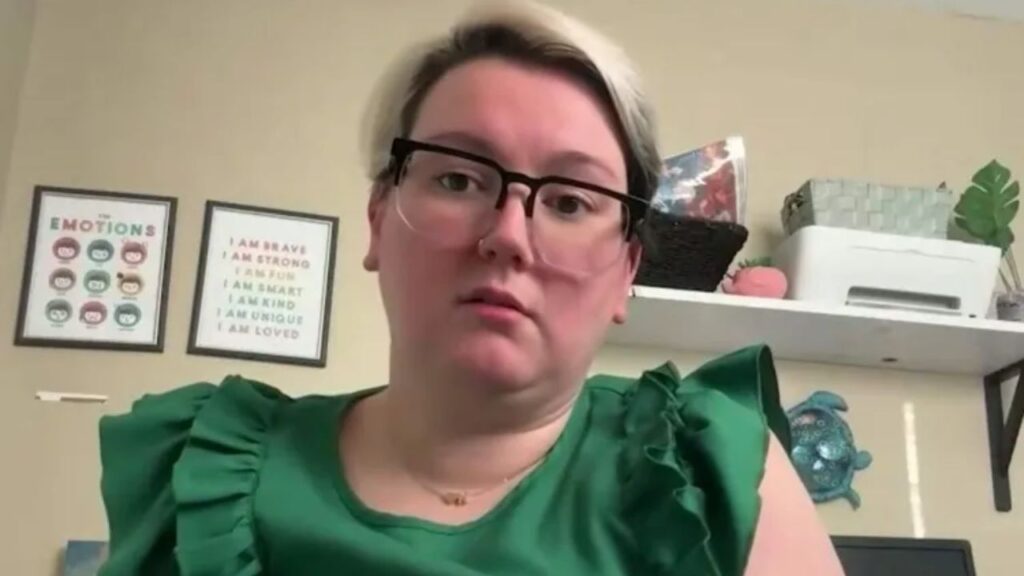
Briana Robertson told NBC DFW that her daughter, Kehlani, became seriously ill after taking part in seasonal pumpkin activities at daycare. The activities involved pumpkin seeds and pulp, which the family believes may have been the source of her exposure.
Robertson said her daughter had participated in one pumpkin-related activity before taking part in another roughly two to three weeks later.
Baby Became Severely Ill After Pumpkin Activity
During one of the activities, teachers placed pumpkin seeds and the inside of a pumpkin into a plastic bag for the children.
“The teachers put the pumpkin seeds and the pumpkin guts in a Ziploc bag,” Robertson said. Just days later, Kehlani began showing alarming symptoms.
“She was lethargic, turning purple; she wasn’t eating, wasn’t drinking,” Robertson said.
The baby’s condition became serious enough that she suffered from severe dehydration, requiring medical treatment. According to Robertson, medical staff attempted to place an IV 15 times while trying to stabilize her.
After doctors conducted several tests, the family received a diagnosis that Robertson said they did not expect: Salmonella.
Doctors Linked the Infection to Pumpkin Exposure
Robertson said doctors ultimately believed her daughter’s Salmonella infection was most likely connected to her exposure to pumpkins, although she described the situation as unusual.
“When you think about non-typhoidal Salmonella, you think about the typical produce,” said Robertson. “Pumpkin, you don’t read about that much about.”
The experience came as a shock to the family, particularly because pumpkin activities are common during the fall season.
Robertson said she hopes sharing what happened to her daughter will encourage parents and caregivers to think carefully about hygiene and food safety when children participate in pumpkin-related activities.
How Pumpkins Can Become Contaminated
According to the FDA, fresh produce, including pumpkins, can become contaminated with Salmonella through soil, water or handling.
That means contamination can potentially occur before the pumpkin reaches a home, school or daycare, or through contact with contaminated surfaces during preparation and activities.
Pumpkin carving, handling seeds and touching the inside of a pumpkin can involve direct contact with its raw contents. For young children, particularly infants, additional caution may be warranted because they may touch their faces or mouths after handling objects.
Robertson’s story highlights how activities that appear harmless can still involve food safety considerations.
Pumpkin Seeds Have Also Been Linked to Salmonella
The concern isn’t limited entirely to pumpkins themselves.
Earlier this summer, a Salmonella outbreak linked to pumpkin seeds sickened almost 100 people in France, according to the report. However, Robertson said doctors told her that her daughter’s illness was highly unusual.
“They actually said they’ve never had an infant or child come in with a severe case of Salmonella due to pumpkins,” she said, per CBS News.
Florida Family Mourns 13-Year-Old After Freak Playground Accident Leaves Him Brain Dead
That rarity made the experience even more frightening for the family.
Mom Hopes Story Protects Other Children
Robertson now wants other parents to be aware of the potential risks associated with pumpkin activities, particularly when young children are involved.
Her goal is not to discourage families from enjoying fall traditions but to make parents more aware of handwashing, safe handling and keeping pumpkin materials away from children’s mouths.
Infants and young children can be especially vulnerable when they become sick and dehydrated, making early recognition of concerning symptoms important.
Kehlani’s experience has left Robertson determined to turn a frightening family experience into a warning that could help other parents avoid a similar situation.
As pumpkin patches, school activities, carving events and fall celebrations become more common, Robertson hopes families will remember that pumpkins are still agricultural produce and should be handled with appropriate care.
Have you ever participated in a pumpkin activity with young children? Share your thoughts and fall safety tips in the comments below.